
Код товара: 1269957086


Постоплата
Цена что надо
Бестселлер
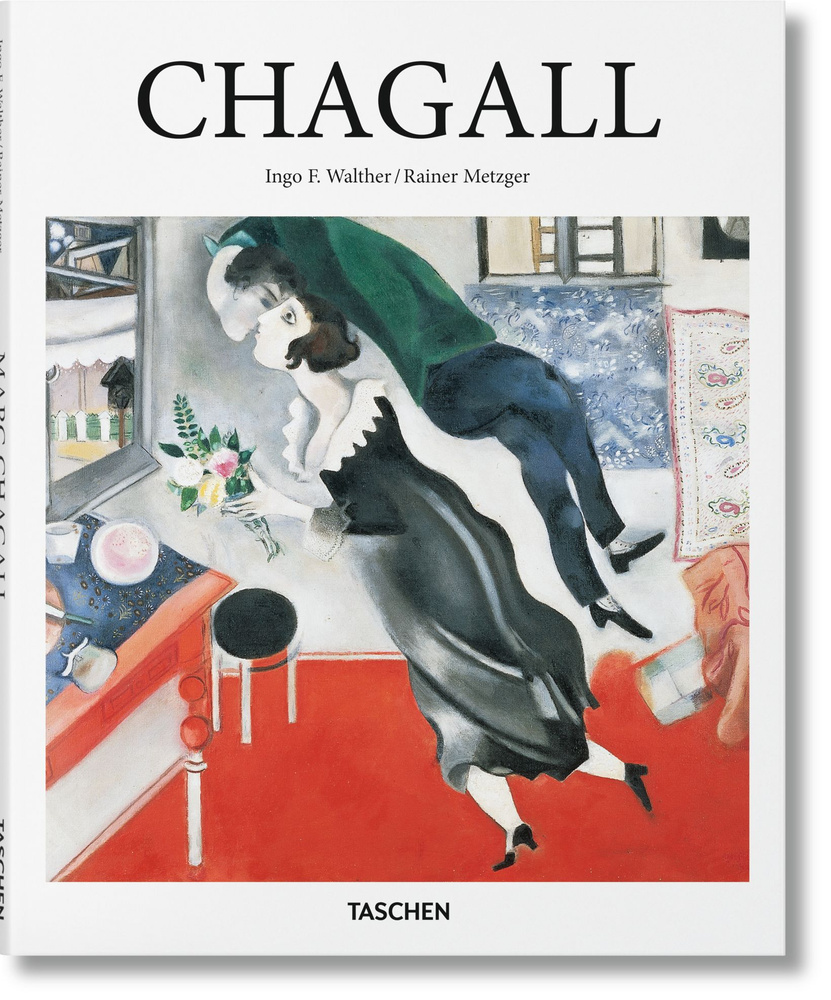
Chagall Basic Art
Тип книги:
Печатная книга
О товаре
Перейти к описанию
Автор на обложке
Ingo F. Walther
Серия
Год выпуска
2022
Тип обложки
Твердый переплет
Тип книги
Печатная книга
О книге
For Marc Chagall (1887—1985), painting was an intricate tapestry of dreams, tales, and traditions. His instantly recognizable visual language carved out a unique early 20th-century niche, often identi
М
Мария Ч.
13 июля
Продавец очень хорошо упаковал каталог, пупырка и картон, все идеально. Спасибо! Отличный каталог работ художника из частных собраний и зарубежных музеев, хорошая печать, как и всегда у этого издателя.
1 430 ₽ 3 400 ₽
Магазин
Подписаться
М
Магма
Перейти5.0
Чат
Заказы
77.4 K
О магазине
Часто задаваемые вопросы
Другие предложения от продавцов на Ozon Россия
Описание
For Marc Chagall (1887—1985), painting was an intricate tapestry of dreams, tales, and traditions. His instantly recognizable visual language carved out a unique early 20th-century niche, often identified as one of the earliest expressions of psychic experience.Chagall’s canvases are characterized by loose brushwork, deep colors, a particular fondness for blue, and a repertoire of recurring tropes including musicians, roosters, rooftops, flowers, and floating lovers. For all their ethereal charms, his compositions were often rich and complex in their references. They wove together not only colors and forms, but also his Jewish roots with his present encounters in Paris, markers of faith with gestures of love and symbols of hope with testimonies of trauma.Across scenes of birth, love, marriage, and death, this dependable artist introduction explores the many versions of Chagall’s rich vocabulary. From visions of his native Vitebsk in modern-day Belarus to images of the Eiffel Tower, we explore the unique aesthetic of one of the most readily identifiable modern masters and one of the most influential Jewish artists of all time.Для Марка Шагала (1887-1985) живопись была замысловатым гобеленом из снов, сказок и традиций. Его мгновенно узнаваемый визуальный язык занял уникальную нишу начала 20-го века, часто определяемую как одно из самых ранних выражений психического опыта.Полотна Шагала характеризуются свободной манерой письма, глубокими цветами, особой любовью к синему цвету и репертуаром повторяющихся тропов, включая музыкантов, петухов, крыши, цветы и парящих влюбленных. Несмотря на все их неземное очарование, его композиции часто были богатыми и сложными в своих отсылках. Они сплели воедино не только цвета и формы, но и его еврейские корни с его нынешними встречами в Париже, знаки веры с жестами любви и символы надежды со свидетельствами травмы.В этом надежном введении к произведениям художника, посвященном сценам рождения, любви, брака и смерти, исследуются многочисленные варианты богатого словарного запаса Шагала. От видений его родного Витебска в современной Беларуси до изображений Эйфелевой башни мы исследуем уникальную эстетику одного из самых узнаваемых современных мастеров и одного из самых влиятельных еврейских художников всех времен.
- Артикул
- 1269957086
- Автор на обложке
- Ingo F. Walther
- Серия
- Basic Art Series
- Год выпуска
- 2022
- Тип обложки
- Твердый переплет
- Тип книги
- Печатная книга
- Язык издания
- Английский
- Количество страниц
- 96
- Размеры, мм
- 270 x 215 x 30
- Вес товара, г
- 620
- ISBN
- 978-3-8365-2783-5
Подборки товаров в категории Книги: Искусство и культура
Отзывы о товаре
36
Chagall Basic Art
Показать сначала:
новые и полезные
с высокой оценкой
М
Мария Ч.
13 июля 2026
Продавец очень хорошо упаковал каталог, пупырка и картон, все идеально. Спасибо! Отличный каталог работ художника из частных собраний и зарубежных музеев, хорошая печать, как и всегда у этого издателя.
Вам помог этот отзыв?

НАТАЛЬЯ
11 ноября 2024
Отзыв устарел
Внешнее оформление:Превосходное
Качество бумаги:Отличное
Одна из любимых серий про живопись. Отличная книга с таким же оформлением, и ещё отмечу качество бумаги👏🏻! В магазинах такие книги стоят минимум в два раза дороже. Книга пришла надежно упакованная в заводской пленке. Огромная благодарность продавцу!
Вам помог этот отзыв?
Ю
Юлия
изменен 1 марта 2026
Отзыв устарел
Люблю эту серию немецкого издательства "Taschen". Книга о Марке Шагале (1887-1985) единственном, в своем роде, представителе концепции "художник как поэт".
Вам помог этот отзыв?
Е
Елена М.
3 апреля 2026
Качество бумаги:Отличное
Открыла для себя эту серию журналов-книг! А дополнительно к изучению искусства, подтягиваю английский )
Вам помог этот отзыв?
Е
Екатерина А.
31 июля 2026
Все пришло в отличном состоянии, в пупырке и картоне, без заломов
Вам помог этот отзыв?
D
Denis K.
27 мая 2025
Отзыв устарел
беру эту серию всегда, вдохновляет. информации достаточно
Вам помог этот отзыв?
Н
Надежда Д.
12 августа 2026
Подруге в подарок. Она собирает коллекцию
Вам помог этот отзыв?
И
Ирина Т.
14 сентября 2026
Г
Галина Б.
12 сентября 2026
Т
Таса
8 сентября 2026
М
Мария С.
7 сентября 2026
О
Ольга А.
5 сентября 2026
В
Варвара
27 августа 2026
В
Владимир Б.
20 августа 2026
Е
Евгения Р.
5 июля 2026
Д
Данил П.
3 июля 2026
А
Имя скрыто
18 июня 2026
Ю
Юлия О.
13 июня 2026
А
Алекс
12 мая 2026
Ю
Юлия Г.
6 мая 2026
И
Ирина С.
22 марта 2026
Т
Татьяна Т.
15 марта 2026
Т
Таисия Ж.
11 марта 2026
Е
Елизавета С.
12 февраля 2026
О
Олеся Т.
11 февраля 2026
С
Сергей Г.
6 декабря 2025
А
Имя скрыто
25 августа 2025
Отзыв устарел
И
Иваныч
17 августа 2025
Отзыв устарел
А
Имя скрыто
10 июля 2025
Отзыв устарел
А
Ангелина Г.
30 июня 2025
Отзыв устарел

Юлия Канькова
24 марта 2025
Отзыв устарел
В
Виктор М.
12 марта 2025
Отзыв устарел
С
Светлана Макарова
18 января 2025
Отзыв устарел
A
Alexandr P.
9 апреля 2024
Отзыв устарел
П
Потехин А.
8 апреля 2024
Отзыв устарел
А
Имя скрыто
16 апреля 2026
4.9 / 5
Рейтинг формируется на основе актуальных отзывов
5 звёзд
34
4 звезды
2
3 звезды
0
2 звезды
0
1 звезда
0
По мнению покупателей
Качество бумаги:
отличное
Внешнее оформление:
превосходное
Подача материала и манера письма:
очень увлекательная
Как правильно задавать вопросы?
Будьте вежливы и спрашивайте о товаре, на карточке которого вы находитесь
Если вы обнаружили ошибку в описанием товара, воспользуйтесь функцией
Как отвечать на вопросы?
Отвечать на вопросы могут клиенты, купившие товар, и официальные представители.
Выбрать «Лучший ответ» может только автор вопроса, если именно этот ответ ему помог.